
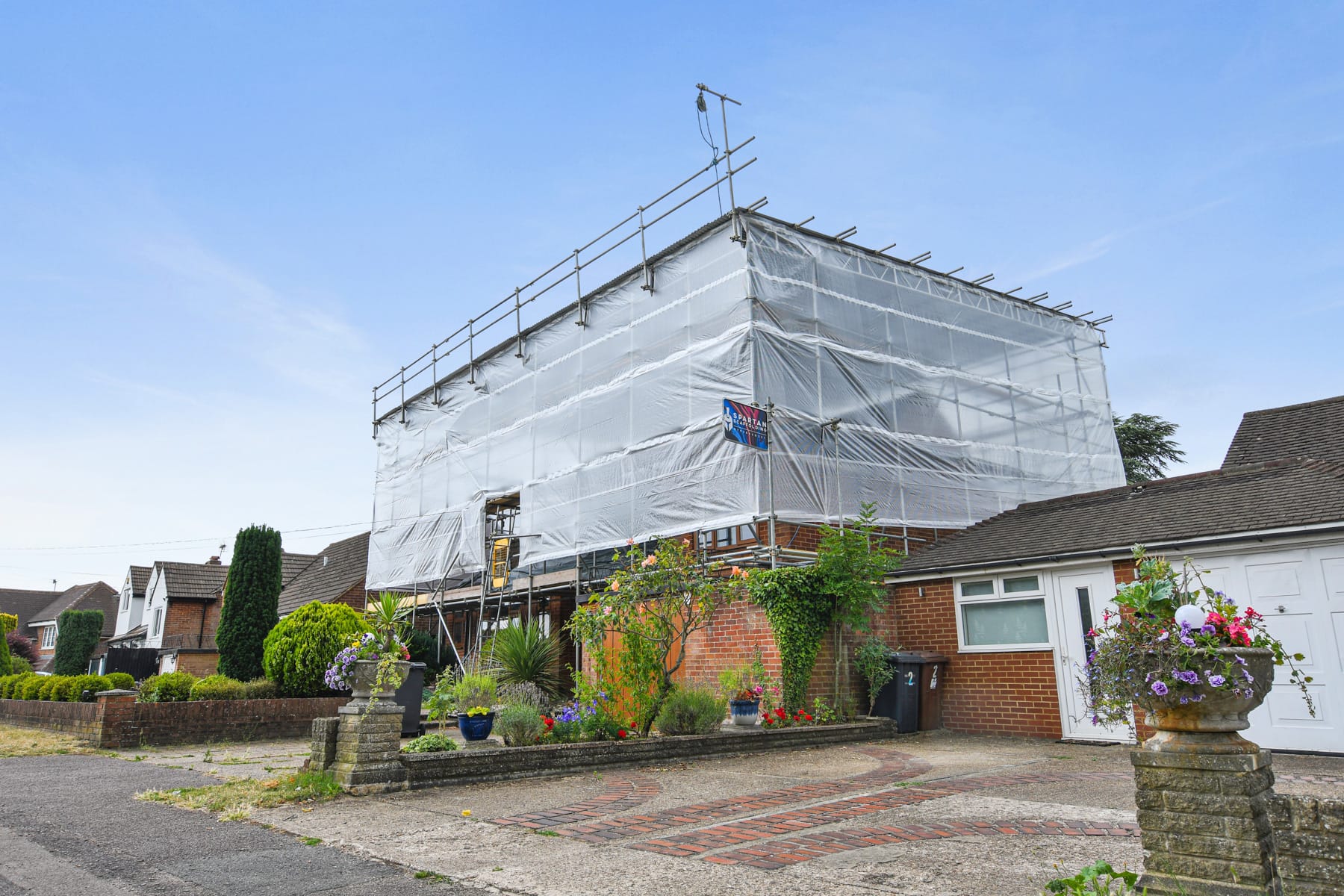
Cambridge Grade-II cottage
Sympathetic single-elevation heritage scaffold for a lime-pointing job; no fixings into fabric, ivory sheeting.
We use essential cookies to run this site, and optional ones for our chat widget. Cookie policy.
Heritage Scaffolding · Essex
Listed-building, conservation and heritage scaffolds that protect what they touch. Non-marking base plates, screw-jacks rather than fixings, crash-deck protection for historic fabric, and discreet sheeting where appearance matters as much as access.
Conservation-officer trusted · No fixings into historic fabric · Heritage-trained crews
Listed & conservation
Project basis
None
Fixing into fabric
Non-marking
Base protection
Discreet options
Sheeting
What this service is
Heritage scaffolding is what you book when the building you're scaffolding is older or more sensitive than the scaffold itself. Listed buildings, churches, conservation-area properties, period country houses, almshouses, mills and historic farm buildings all need a different approach to access — one that prioritises protection of historic fabric over speed of erection.
We work regularly with conservation officers, churches, heritage architects and main contractors on listed-building works. Most of our heritage scaffolds are part of approved Listed Building Consent works — re-roofs, render and lime-pointing, lead and copper repair, parapet rebuilds, stained-glass restoration and structural repair.
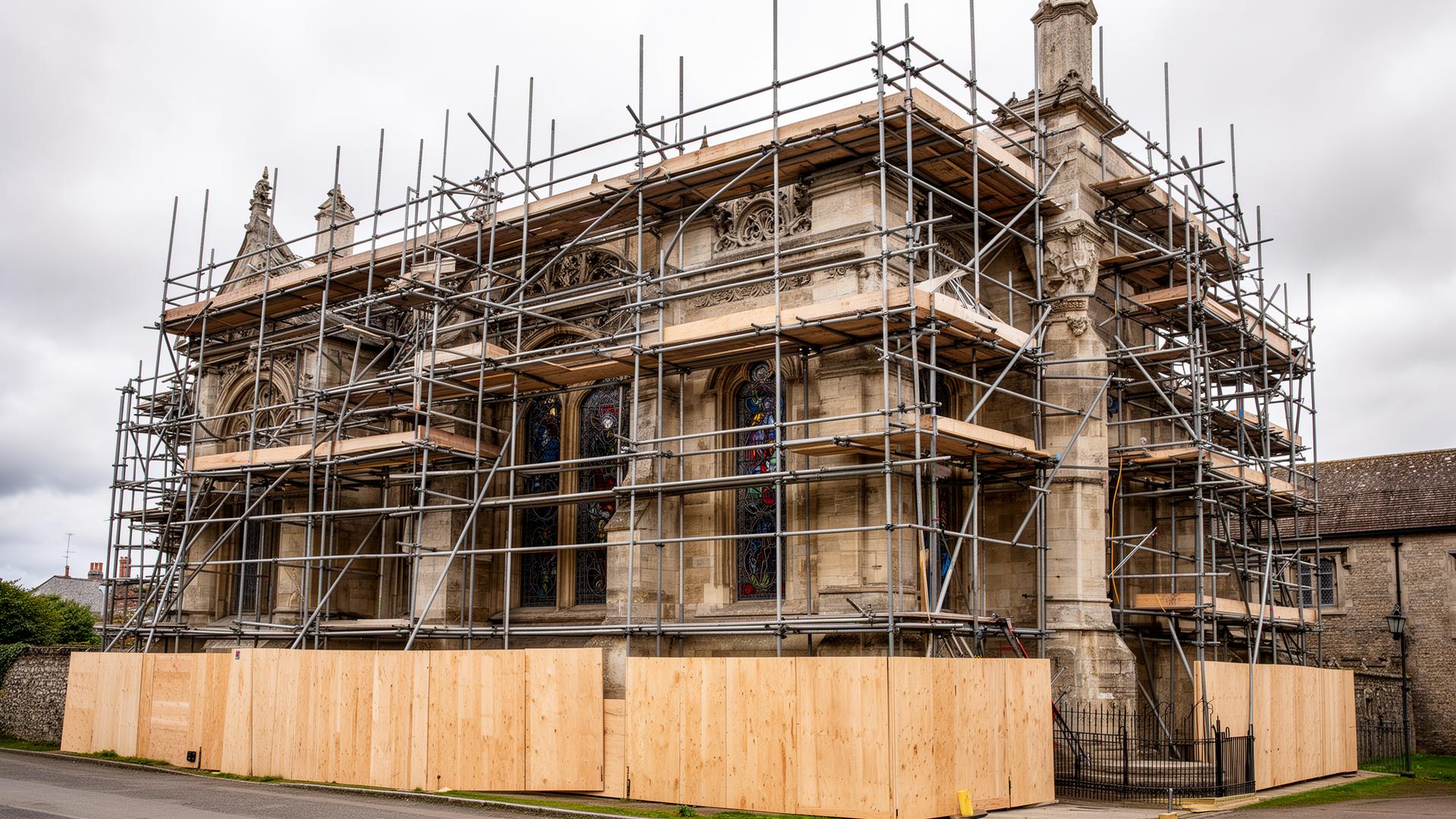
The visible difference is small details: timber sole boards on stone or brick steps, non-marking base plates, screw-jacks rather than drilled fixings, fender boards against ashlar, crash-deck protection over original tile, and discreet ivory or stone-coloured sheeting rather than industrial white.
What goes wrong when it's rushed
The damage caused by an unsympathetic scaffold to a listed building is often more expensive than the work it was put up to enable. Once stonework is chipped, lead is dented or original tile is broken, conservation officers can require remediation that runs to multiples of the original scaffold cost.
How we deliver this service
If consent isn't yet in place, we'll attend and advise on access strategy in writing — useful for the LBC application or conservation officer discussion.
Bespoke design with non-marking base plates, screw-jack feet, no fixings into fabric, and protection details for stone, lead and tile.
Crews briefed on listed-building rules before mobilisation. Slow, deliberate erection with photo records of fabric condition before and after.
Statutory 7-day inspections plus weekly fabric-condition checks where scaffold contacts historic surfaces.
Slow, careful strike with conservation officer or heritage architect sign-off where required. Photo record of post-strike fabric condition supplied.
What you actually get
Local conservation officers and heritage architects know the way we work. Speeds approvals on Listed Building Consent variations.
Ties achieved through screw-jack pressure, frictional ties or designed-in temporary anchors — not drilled fixings into historic stone or brick.
Timber sole boards and rubber base plates on stone, ashlar, lead-covered surfaces and historic tile.
Ivory, stone or grey sheeting available in conservation areas. White industrial sheeting only where appropriate.
Pre- and post-erection photographs of contact points; same at strike. Removes 'who damaged this' disputes at hand-back.
Crews briefed on listed-building rules before mobilisation; key decisions stay with the lead scaffolder, not delegated mid-shift.
In detail
Heritage scaffolding is mostly the same engineering as conventional scaffolding — but with a different priority order. Standard scaffolds optimise for cost and speed. Heritage scaffolds optimise for protection of the building and compliance with Listed Building Consent.
Most of the differences happen at the points of contact between the scaffold and the building: bases, ties, decks against tile, sheeting against stained glass. Get those right and a heritage scaffold is barely more expensive than a standard one. Get them wrong and the building bears the cost.
Reveal ties through window openings, frictional ties on parapet copings, designed-in temporary anchor points and screw-jack-bridled internal ties. Drilled fixings into historic fabric are a last resort and only with conservation officer approval.
Timber sole boards on stone steps, rubber base pads on lead-covered surfaces, screw-jack feet on uneven historic floors. Standard galvanised base plates only on modern concrete.
Polythene sheet, foam pads and timber crash-decks over historic tile, lead, stained glass and ornamental stonework. Specified at design, not improvised on site.
Conservation-area sheeting in ivory, stone or muted grey rather than industrial white where the scaffold is publicly visible. Discussed with conservation officer at consent stage.
Next step
Every job is individually scoped. Send a few details or call directly and we'll attend, measure and provide a written quote — usually within 48 hours. No pressure, no call-centre.
Service area
Heritage scaffolding is delivered across Essex, Suffolk, east Hertfordshire and into the wider East Anglia heritage belt. Hertford, Cambridge, Harlow and the surrounding villages have a particularly high concentration of listed and conservation-area properties — most of our heritage work is within an hour of our Elsenham yard.
Who delivers your job
The Spartan Team
Lead Scaffolder & Director
The Spartan Team is your point of contact from first call to final handover. No estimator handover, no faceless office — the same person quoting your heritage scaffolding job is the person managing it on site.
Recent work
A representative slice of recent heritage scaffolding jobs across Essex. Each caption describes the scope and outcome honestly.
Cambridge Grade-II cottage
Sympathetic single-elevation heritage scaffold for a lime-pointing job; no fixings into fabric, ivory sheeting.
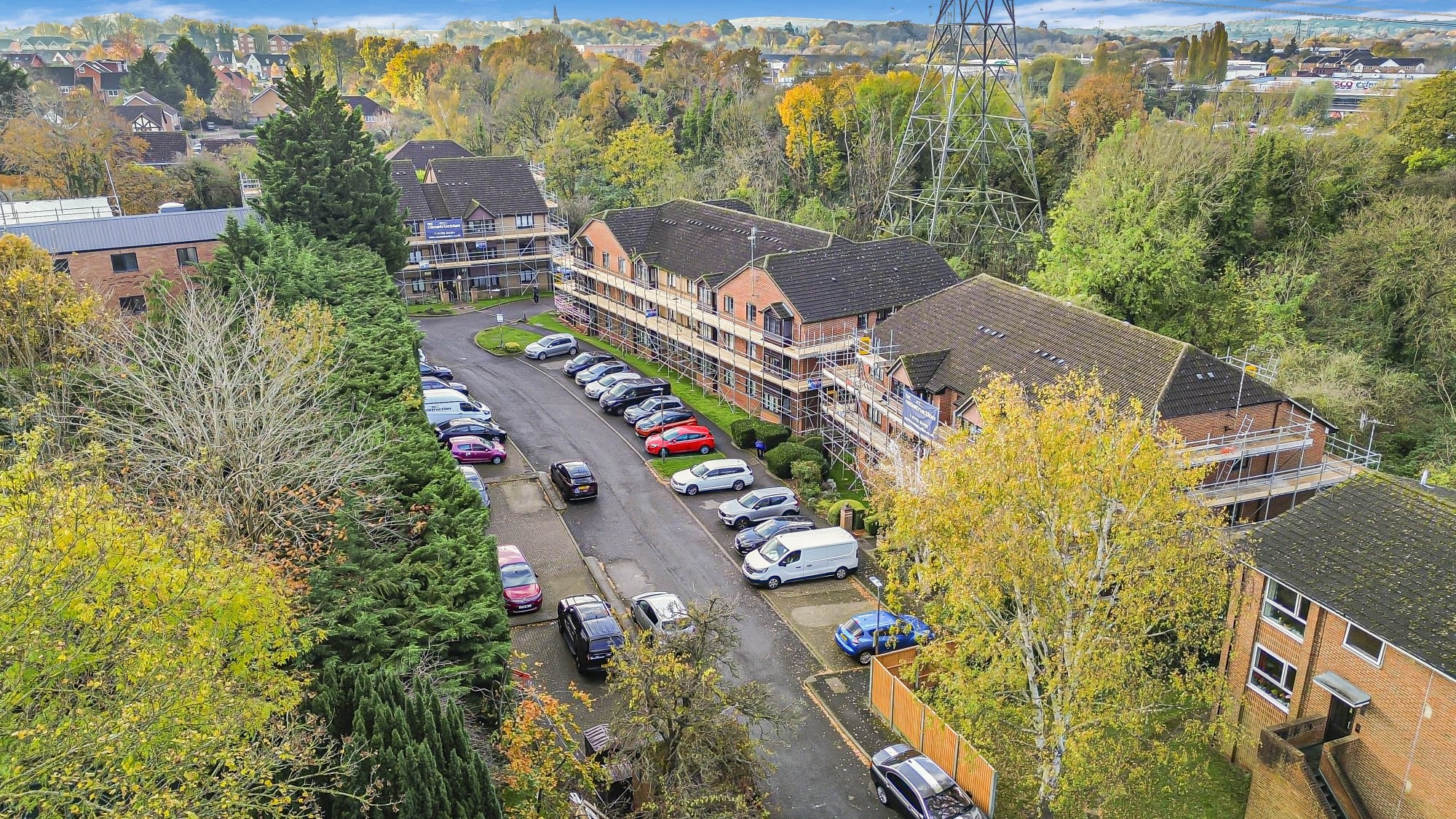
Suffolk village church
Major re-roof scaffold over a Grade I parish church, including Layher Keder temporary roof, with conservation officer sign-off.
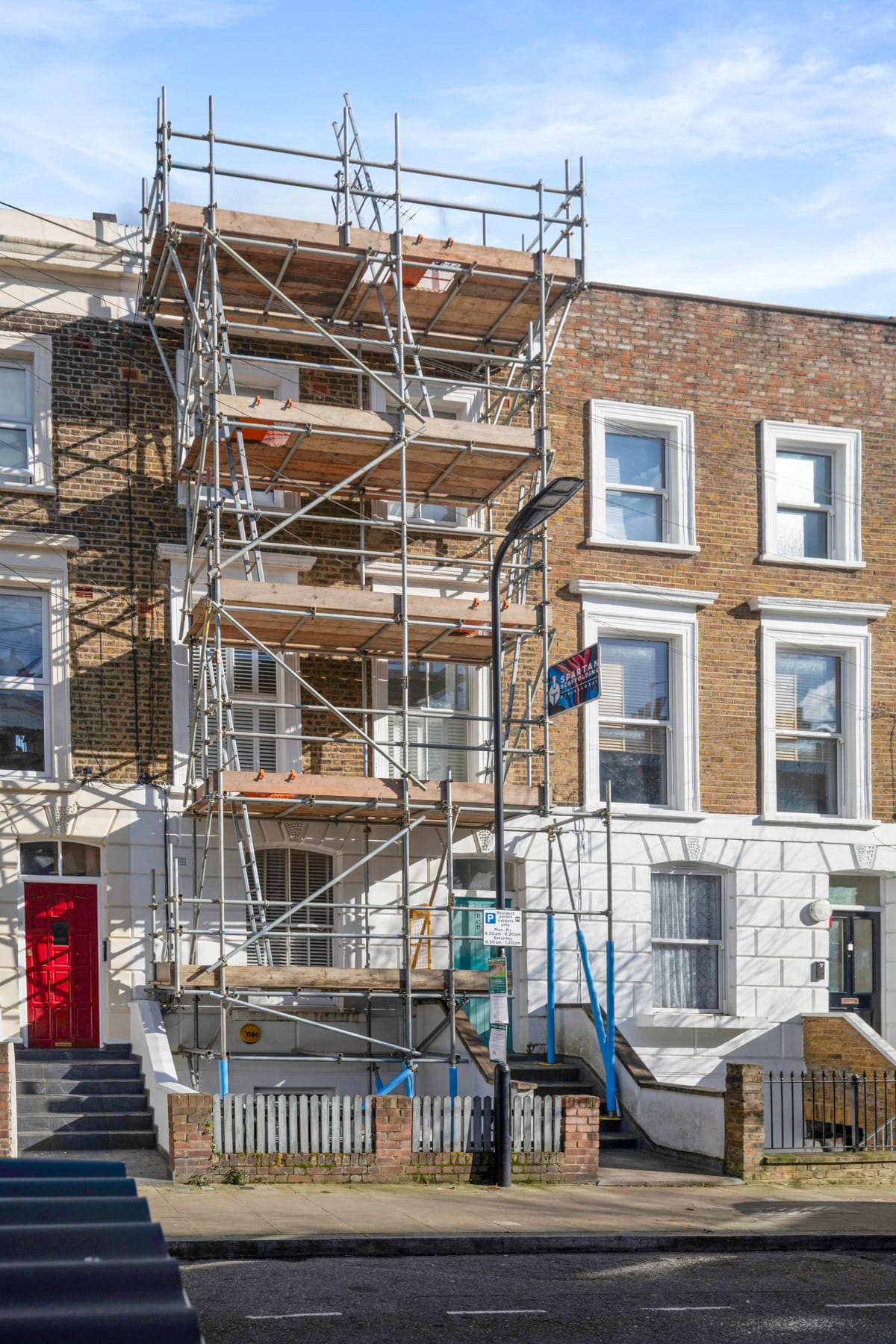
Hertford conservation area
Whole-property scaffold on a conservation-area Victorian house; discreet sheeting and timber sole boards on the front path.
FAQ
Question not here? Get in touch — we reply the same working day.
Ready when you are
Tell us the building, the works and the consent status — we'll attend, advise on access strategy and design a scaffold that protects the fabric throughout.
Accreditations
CISRS scaffolders · CHAS · Constructionline · TG20:21 compliant
Last updated
April 2026
Contact
Spartan Contracts Ltd, 83 Hailes Wood, Elsenham, CM22 6DQ · 07426 780 430